A Brillemos series

Left unsaid

Eight-to-twelve-minute chapters about the conversations almost nobody dares to have. They do not end in tears: they end in a tool.

Sessions recreated for illustration purposes. Not real users. Some chapters deal with sensitive topics.

The grief we never shared
Chapter 1 Couple session 11 min

The grief we never shared

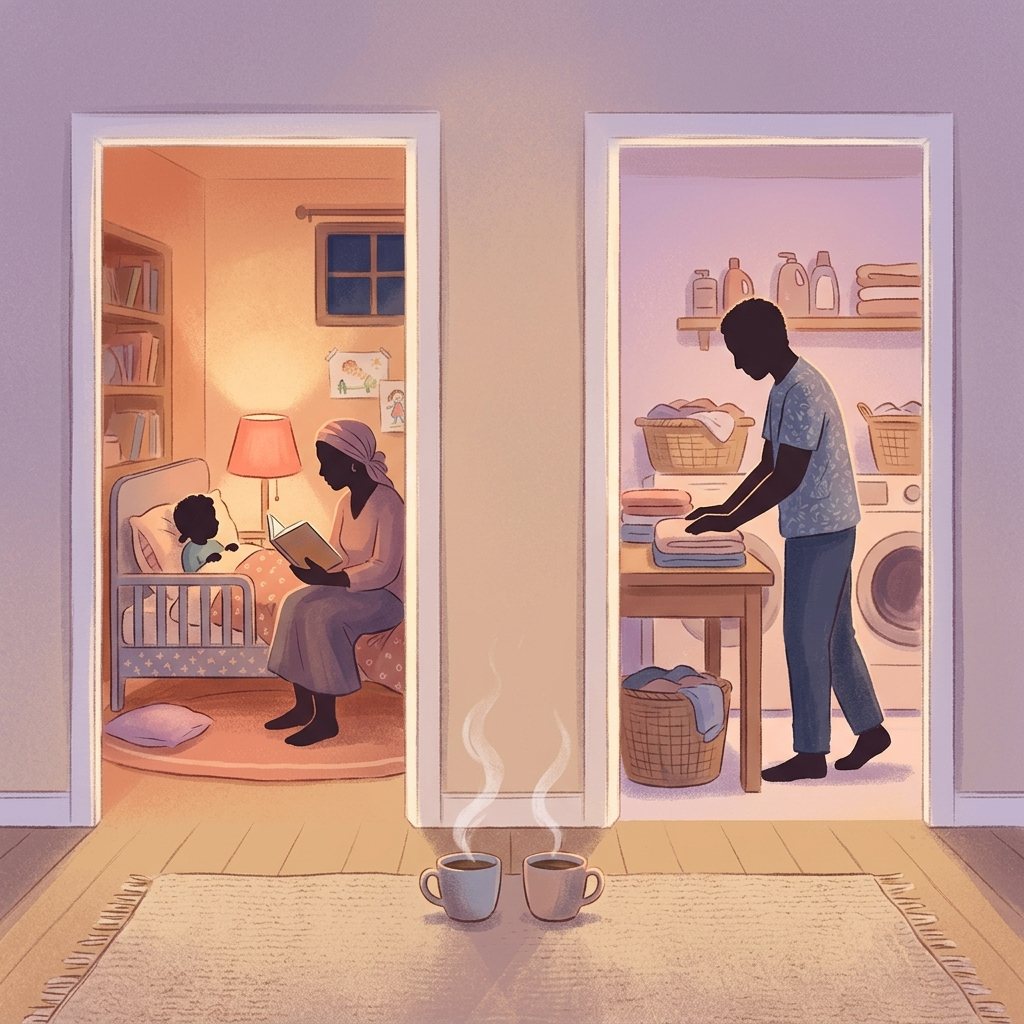
They lost their daughter six years ago. They have never said her name together.

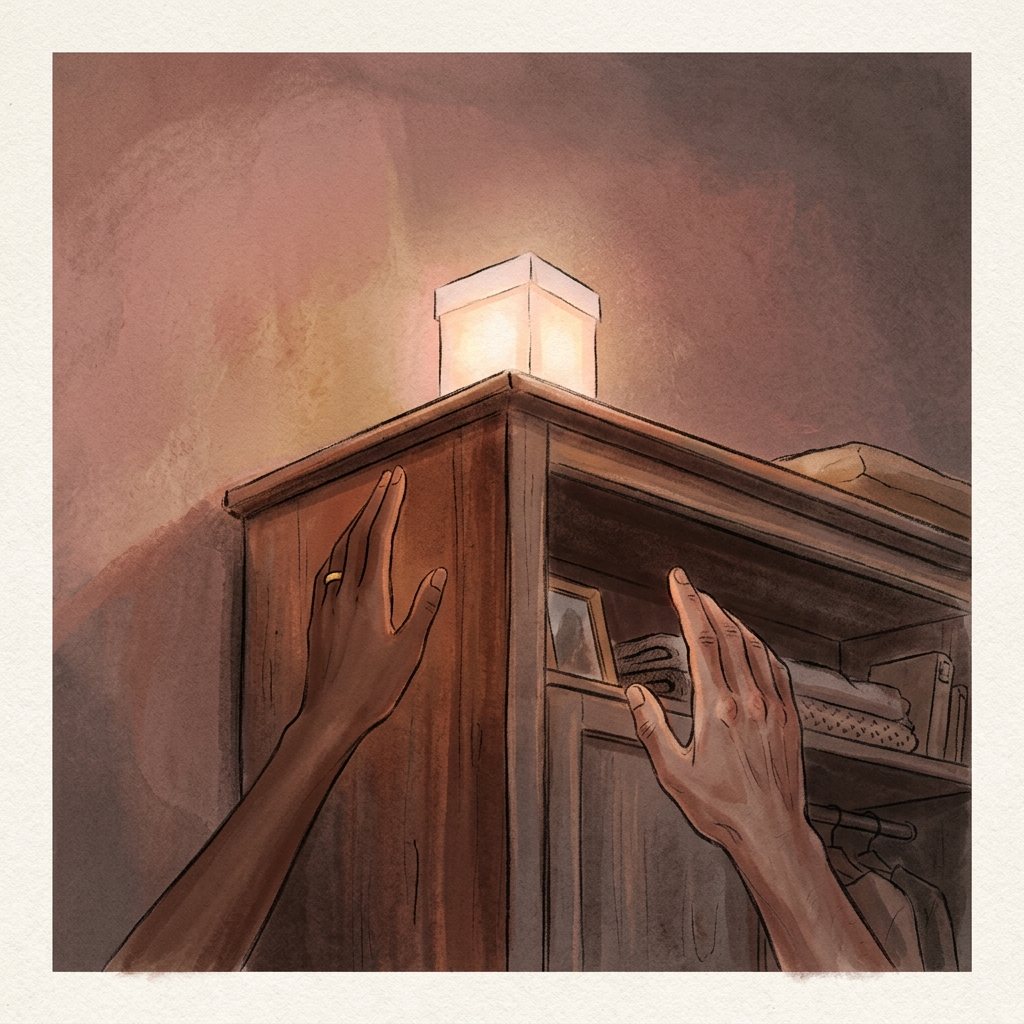
Nuria (39) and David (41) lost their daughter at thirty-eight weeks, six years ago. He "stayed strong" and went back to work within a week; she read it as coldness and never quite forgave it. They have another child, they function, they love each other. But there is a box on top of the wardrobe that neither of them opens.

This chapter deals with the loss of a baby.

Audio in Spanish.

What you take with you

Unshared grief is mourned twice: your own, and the other's loneliness. Saying out loud what you never talk about — by its name — is the first repair. Practice: if your home has a "box" (a topic, a person, a date nobody mentions), set a day and time to open it together.

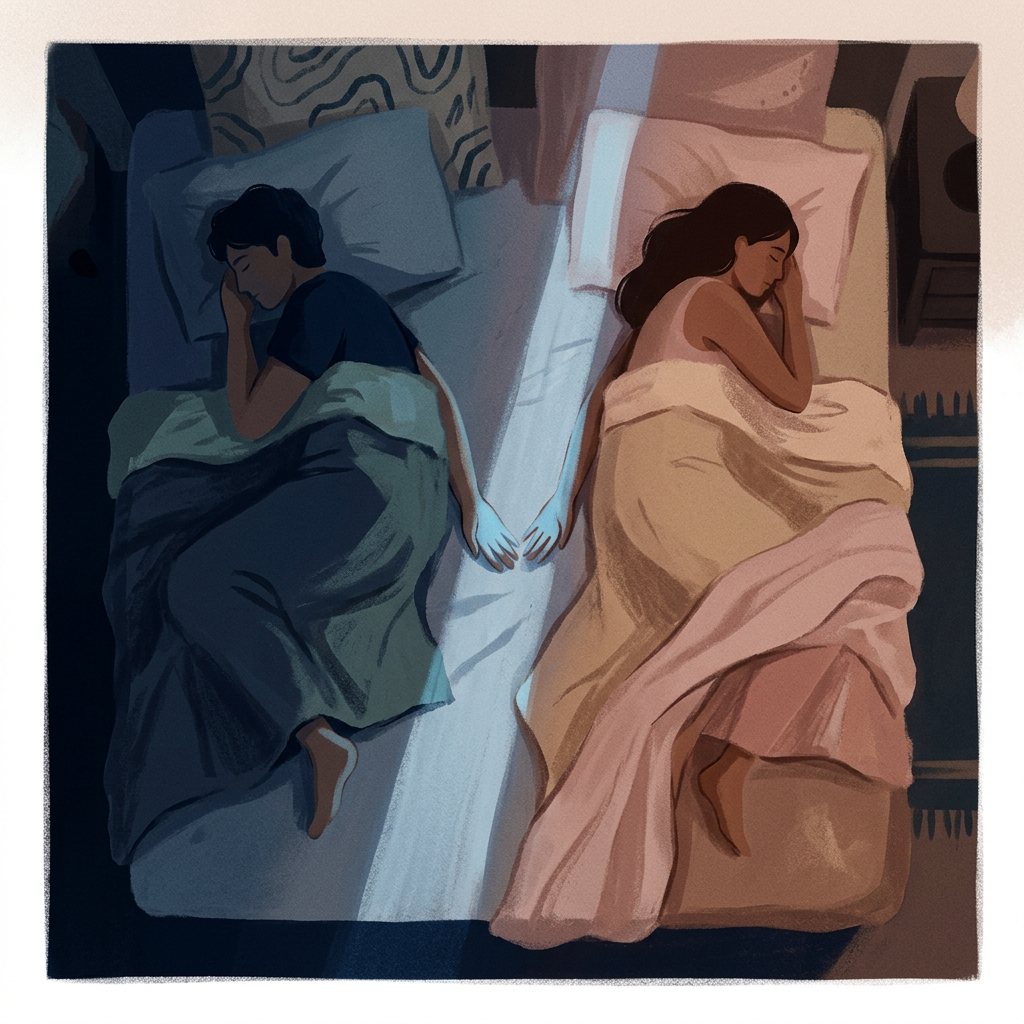
Staying was the hard part
Chapter 2 Couple session 7 min

Staying was the hard part

Everyone tells the affair story. Nobody tells the two years after.

Two years ago Carmen (37) found out Óscar (39) was seeing someone else. They chose to stay. He has lived in permanent penance since; she keeps the weapon and draws it in every argument. Both are exhausted by a forgiveness that never quite arrives — this session is about why.

This chapter deals with infidelity and its aftermath.

Audio in Spanish.

What you take with you

Forgiveness is not a feeling that arrives: it is a decision you protect. Retiring the weapon and replacing it with a distress signal ("file open" = hold me, today it hurts) turns reproach into care. And the one who caused harm repairs standing up, not kneeling: perpetual guilt is not love.

The desire that left
Chapter 3 Couple session 7 min

The desire that left

They love each other. They care for each other. They have not touched in a year and a half.

Silvia (43) and Julio (45), eighteen years together, two kids. You would never guess: they laugh, they care, they sometimes sleep in an embrace. But it has been a year and a half without intimacy and neither knows how to raise it without it sounding like blame. He approaches with fear; she has moved out of her own body. The taboo no couple talks about — not even with each other.

This chapter deals with desire in a couple, no explicit content.

Audio in Spanish.

What you take with you

Desire in long couples is not a fire that dies: it is a tide, and it returns if nobody closes the harbour. Order matters: first each one moves back into their own body, then touch without destination — contact that asks for nothing. Practice: 20 minutes of own-body time 3 times a week, and intention-free touch until closeness stops being scary.

The best medical team lost its marriage
Chapter 4 Couple session 7 min

The best medical team lost its marriage

Nine years caring for their daughter in shifts. They are never there at the same time.

Rosa (44) and Manu (46) are the parents of Alba, nine, cerebral palsy. They are a perfect logistics team: shifts, therapies, reports, split nights. Everyone admires them. What nobody sees: they have spent years never being anywhere at the same time — not with Alba, not with each other. Caring can be the noblest way to get lost.

This chapter deals with raising a disabled daughter.

Audio in Spanish.

What you take with you

Caring without self-care turns a couple into a shift rota. Logistics saves the child and eats the marriage unless someone founds the "us department": short, scheduled, sacred time with no caregiving talk. Practice: 40 weekly minutes in the calendar with one rule — no medical updates. Asking for respite care is not surrender: it is sustainability.

The call I never made
Chapter 5 Individual session 9 min

The call I never made

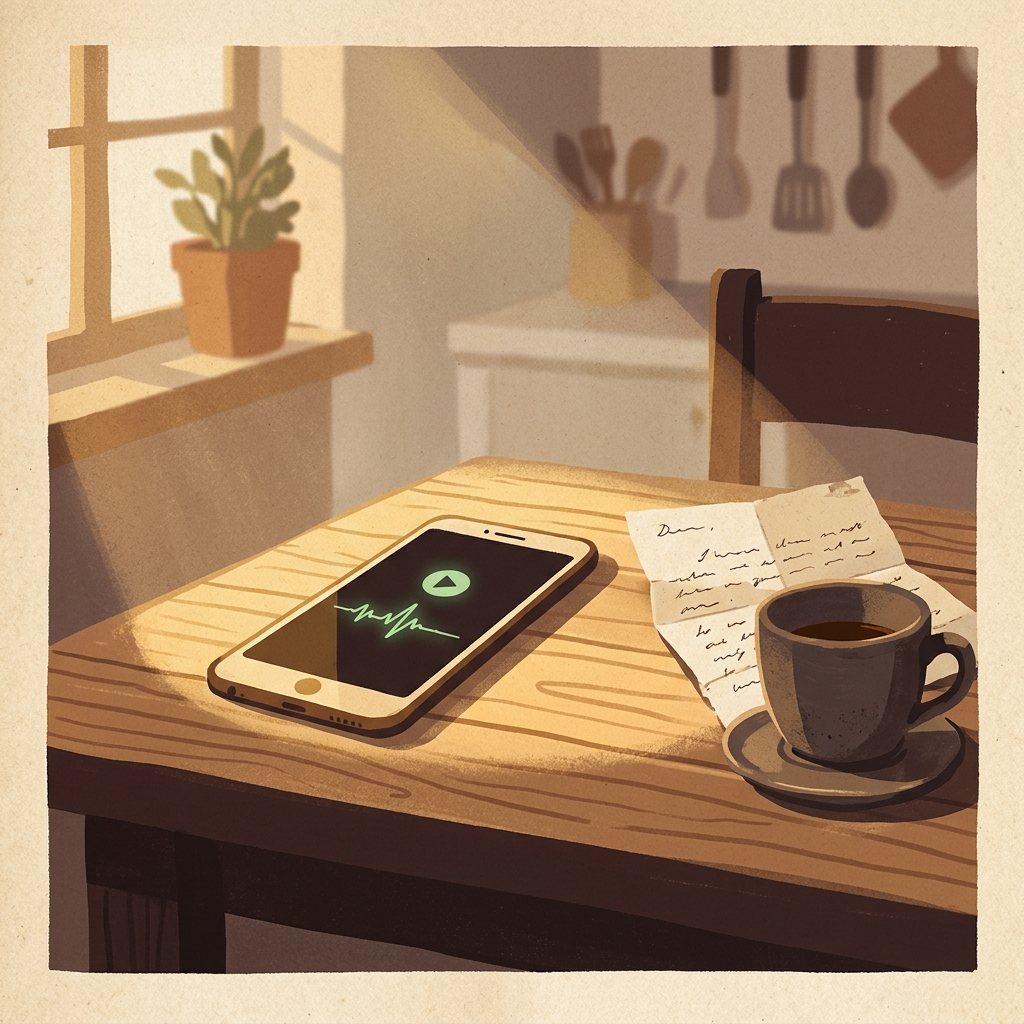
His father left him a voice note on a Tuesday. He died on Friday. The note is still there.

Tomás (52) lost his father eleven months ago. Their second-to-last conversation was an absurd argument about a van; the last one never happened: a WhatsApp voice note — "call me when you can, son" — that Tomás meant to answer on Sunday. His father died on Friday. Eleven months later the note is still saved and Tomás can neither delete it nor play it. This session is about what guilt does to grief — and about the four-sentence letter.

This chapter deals with the death of a father and with guilt.

Audio in Spanish.

What you take with you

Guilt judges the past with today's information: you did not know Tuesdays would run out. When someone leaves before there was time, the four-sentence letter — thank you, I'm sorry, I forgive you, goodbye — closes on paper what life left open. Practice: write it by hand, read it aloud somewhere that was yours, and keep the last message as what it is: not evidence for the charge, but the last time he called you son.

Eight years without my brother
Chapter 6 Individual session 6 min

Eight years without my brother

He lives twelve minutes away. The text gets written in this session.

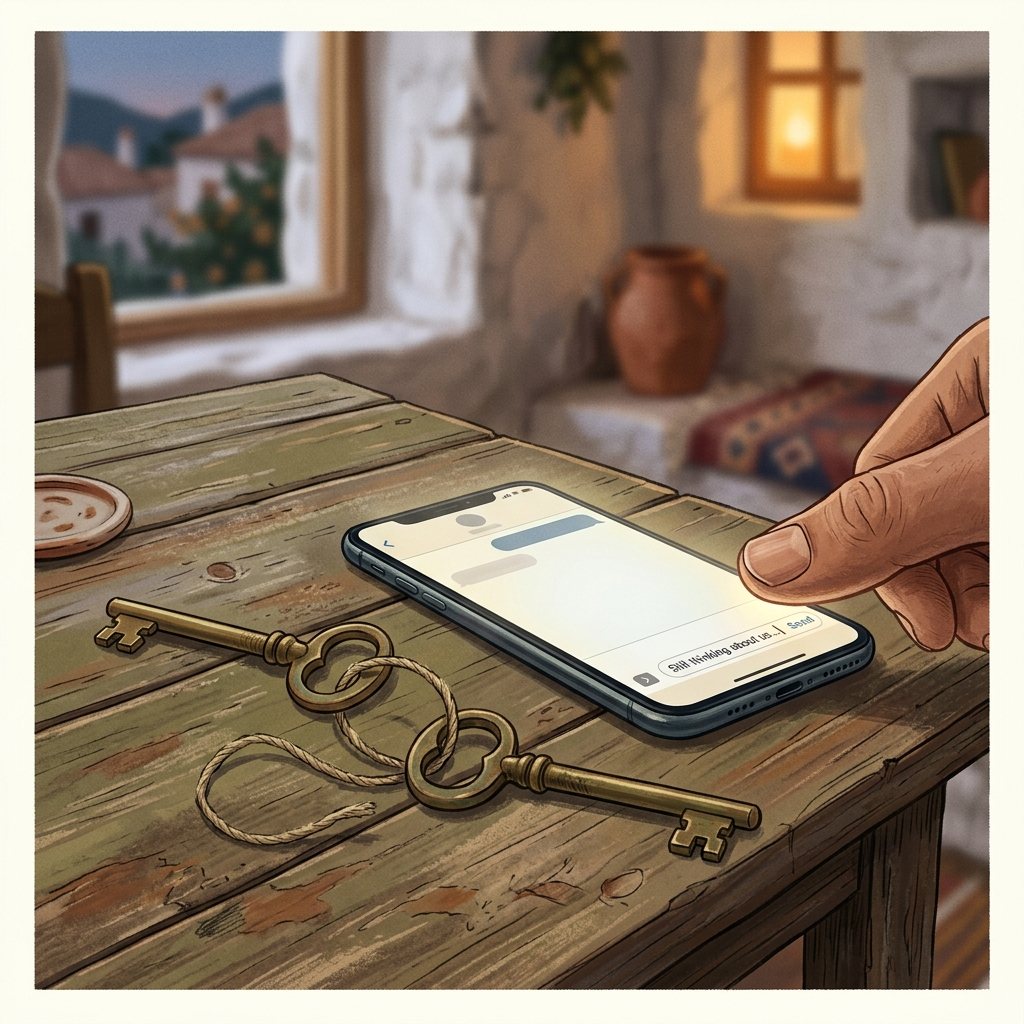
Quique (47) has not spoken to his brother Nacho since their mother's funeral eight years ago: a badly split inheritance, one sentence said at the worst moment, two identical prides. They live twelve minutes apart. Their kids are cousins who have never met. In this session Quique finds out what really lives under the anger — and writes, word by word, the first message in eight years. And sends it.

Audio in Spanish.

What you take with you

Pride charges in instalments: every silent year is cousins who never meet. You do not reconcile eight years in a paragraph: you open a door with three lines and no reproach — one good memory, one "I'm here", zero demands. Practice: write the short message today and send it knowing its worth does not depend on the reply: it gives you back the place of the one who reached out.

My mother no longer knows who I am
Chapter 7 Individual session 8 min

My mother no longer knows who I am

There is a grief that begins before death. And another way of being loved.

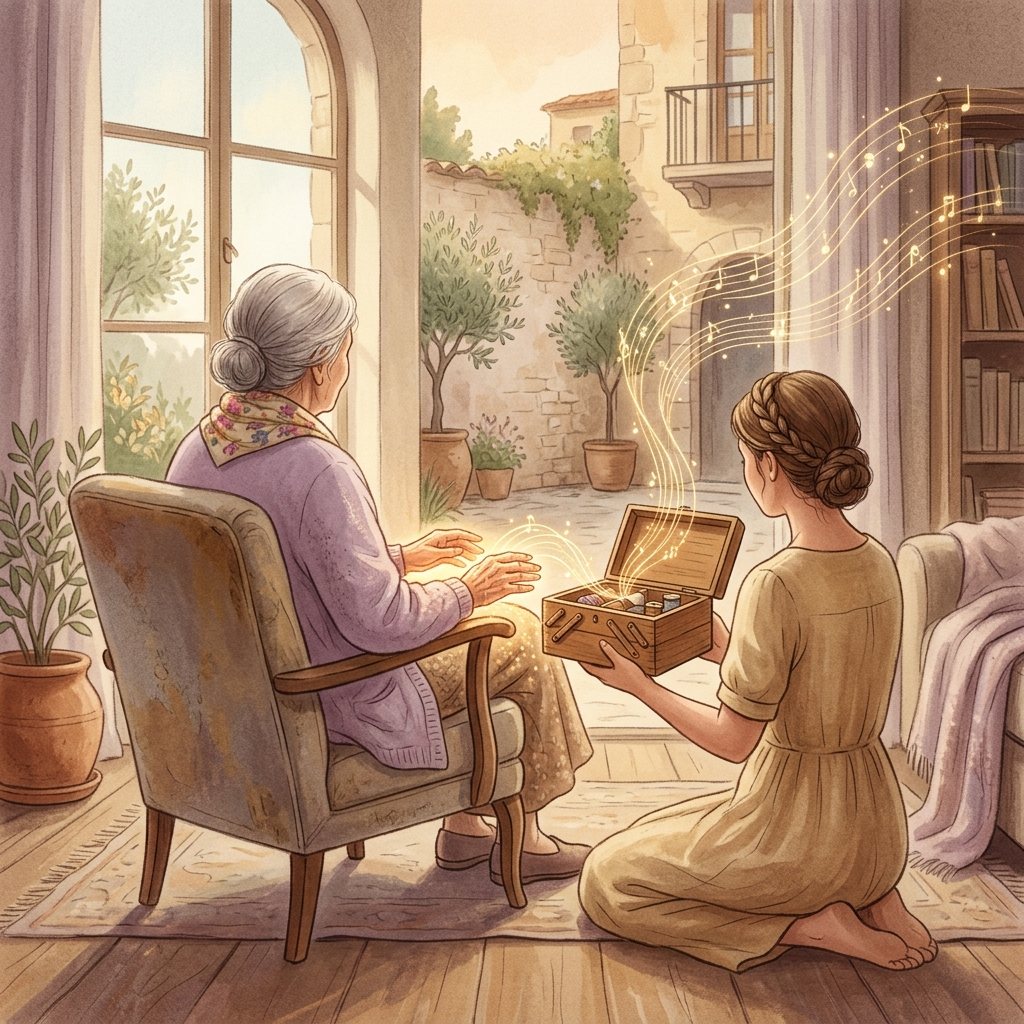
Inés's (55) mother has advanced Alzheimer's. Four months ago she stopped recognising her entirely: she now receives her like a kind visitor. Inés leaves every visit destroyed from fighting to be remembered — until in this session she finds another way into the room. This is not a session about memory: it is about love when memory can no longer carry it.

This chapter deals with a mother's Alzheimer's.

Audio in Spanish.

What you take with you

When memory goes, the emotional language remains: she no longer knows who you are, but she knows how she feels with you. Stop examining ("do you remember?") and enter her world through what her body still keeps — music, crafts, objects of her life. Practice: replace quiz-photos with an object from her story and her songs; introduce yourself lightly. And care for the carer: anticipatory grief is not to be carried alone — find your network.

The father I failed to be
Chapter 8 Individual session 9 min

The father I failed to be

His kids treat him with respect and distance. Just like he treated his own father.

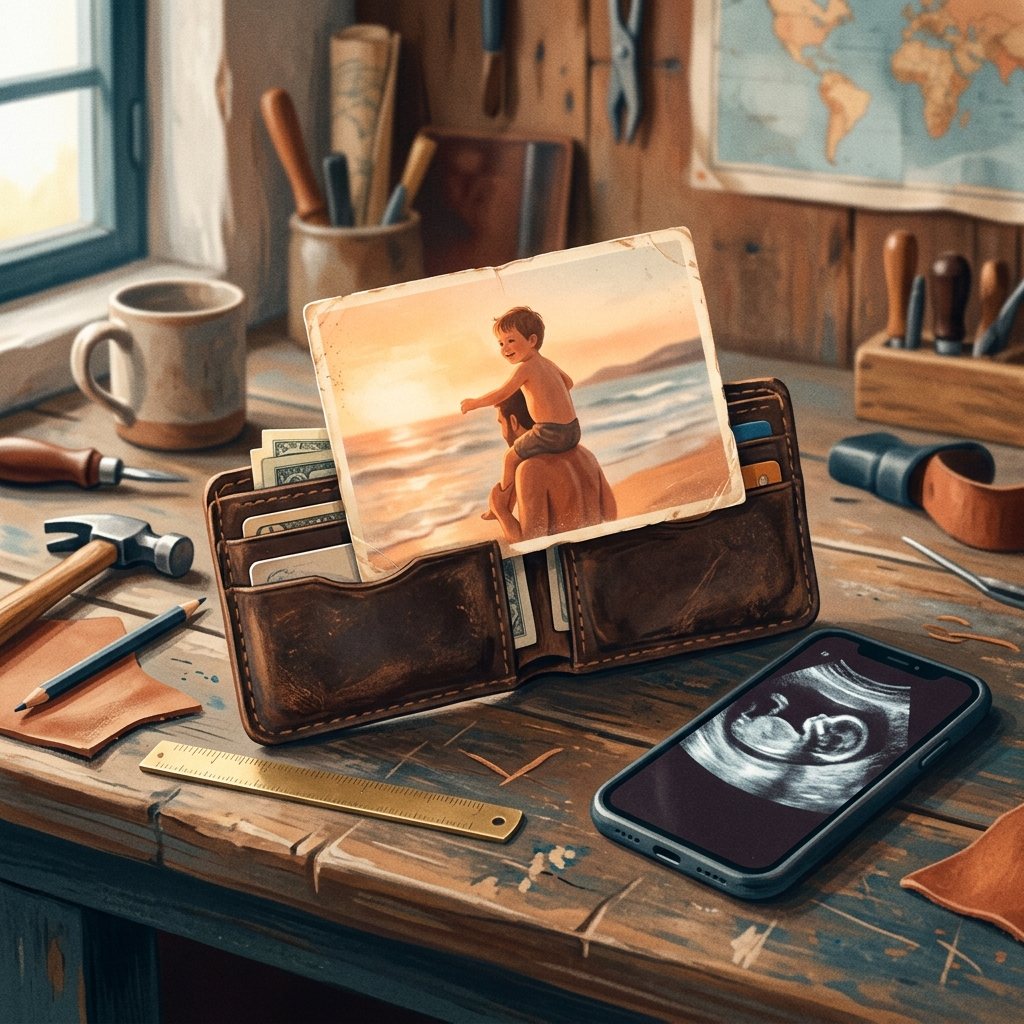
Paco (61) was the father his era prescribed: twelve-hour days, never absent, never a hug. His kids are adults now and treat him with a frozen respect he knows too well: the same he gave his own father. Now his son Sergio is about to become a father — and for the first time Paco has a deadline to break a three-generation chain. In his wallet there is a photo Sergio has never seen.

Audio in Spanish.

What you take with you

It is never too late to break a chain of silence: you do not need speeches, you need one true object and one naked sentence. Thaws make no noise on day one. Practice: find your "wallet photo" — the thing you keep that would say for you what you cannot say — and show it to the person it was always for, with one honest sentence.

The empty house
Chapter 9 Individual session 6 min

The empty house

Thirty years being somebody's mother. Who is she when nobody needs her?

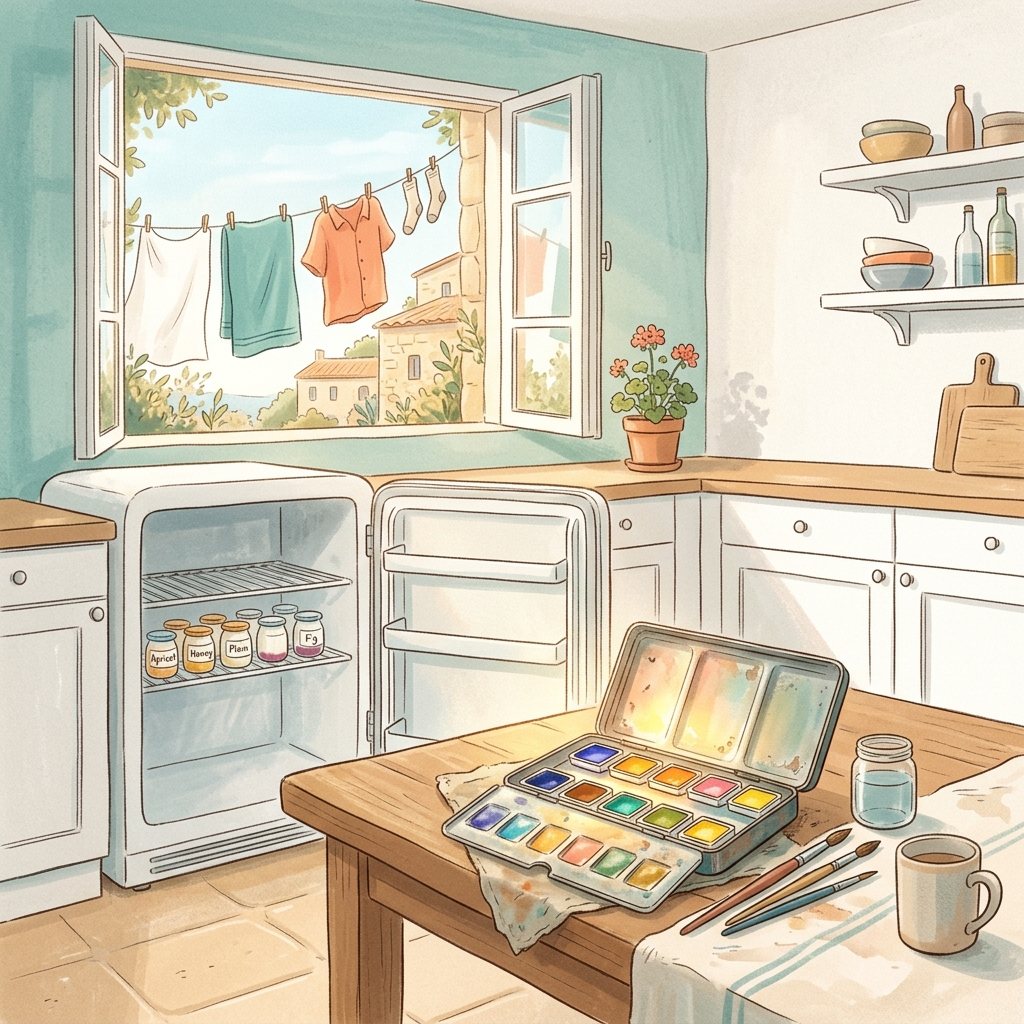
Lourdes's (58) youngest left for Berlin five months ago. She still buys six yoghurts, runs half-empty washing machines to hear some noise and overcooks on Sundays "just in case". Everyone tells her it is her time to live now — but nobody explains how you live when you have postponed yourself for thirty years. A session about the empty nest that is really about something else: a woman who parked herself in 1994.

Audio in Spanish.

What you take with you

Caregiving opens brackets in one's own life; closing them is the opener's task. An empty nest is not filled by "signing up for things": it is filled by reclaiming one concrete parked thing — with a date, and with permission to do it badly. Practice: find your "watercolour tin" (what you have kept for years without knowing why), open it this week and list what the person you were before caring left pending.

Loving again at seventy-two
Chapter 10 Individual session 9 min

Loving again at seventy-two

He caught himself smiling and felt like a traitor.

Ernesto (72) lost Amparo three years ago, after forty-six years together. At the seniors' centre he has met Maribel: they play dominoes, she saves him a seat, he walks home whistling. And every time he catches himself happy, he punishes himself. He has not told his kids, he still sets out two cups from habit and there is an armchair nobody sits in. A session about permission to stay alive — and who can truly grant it.

This chapter deals with widowhood and rebuilding a life.

Audio in Spanish.

What you take with you

Living on is not betraying the dead: the heart does not love by subtraction. Guilt over smiling again is worked with two concrete steps: recovering the permission the other gave us in life (it almost always existed) and telling the living the truth before they guess it. It applies to any grief — and to anyone forbidding themselves happiness "out of respect" for something already gone.

My son won't pick up the phone
Chapter 11 Individual session 7 min

My son won't pick up the phone

Fourteen months of silence. And an apology she has not yet learned to give.

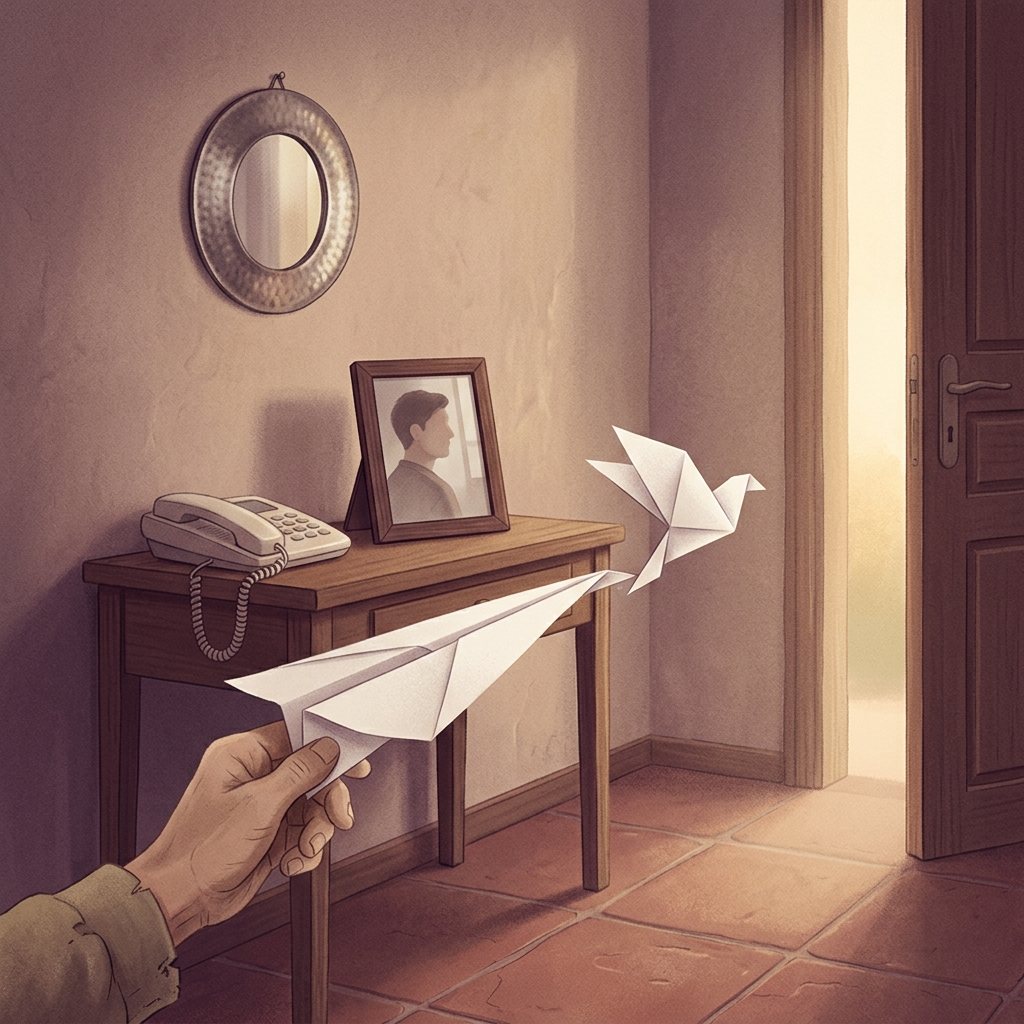
Charo's (63) son stopped speaking to her fourteen months ago, after a Christmas Eve when she "only said what she thought" about his life choices and his partner. Since then: unanswered calls, a silent birthday and a shame she can tell nobody — because estranged parents are a taboo. This session does not promise the son's return. It teaches something harder: the difference between apologising and defending yourself, and how to love someone who has set a boundary.

Audio in Spanish.

What you take with you

An apology with a "but" is a defence in disguise. A repairing apology has four parts and zero excuses: what I did, what it caused you, an unconditional sorry, and an open door with no deadline. And the hardest lesson of adult parenthood: you love a grown child by respecting their boundaries — even the boundary of silence. It applies to every important apology in your life.

The conversations of your life can happen too

At Brillemos, the guide walks you into your own: at your pace, in private, and always to build.